

Buyer Moods: The Emotional Math Behind Every Offer
Buyers justify with spreadsheets and decide with feelings. Here's what actually shifts a buyer's mood inside a house — and what quietly sours it.
Every offer arrives on paper with numbers on it. Almost none of them were decided that way. Buyers form a feeling in the first few minutes of a showing and then spend the rest of the tour building a financial case for the conclusion they already reached. Sellers who understand this stop treating presentation as decoration.
The Mood Is Set Before the Front Door
A buyer arrives at your home carrying whatever the last house did to them. If the previous showing was dark and dated, yours gets a generous first impression. If it was bright and finished, yours is being graded against it.
You can't control that, but you can control the ten seconds after they park. An uneven walkway, a dead shrub, a garage door that's a different white than the trim — none of these are expensive problems, and all of them start the visit at a deficit.
The Four Things That Reliably Sour a Mood
Smell is first and it is unforgiving. Pet, smoke, cooking, mildew, or the ammonia smell of a house closed up in a Georgia August. A buyer who smells something at the door will spend the whole tour looking for the source instead of imagining their furniture in the rooms.
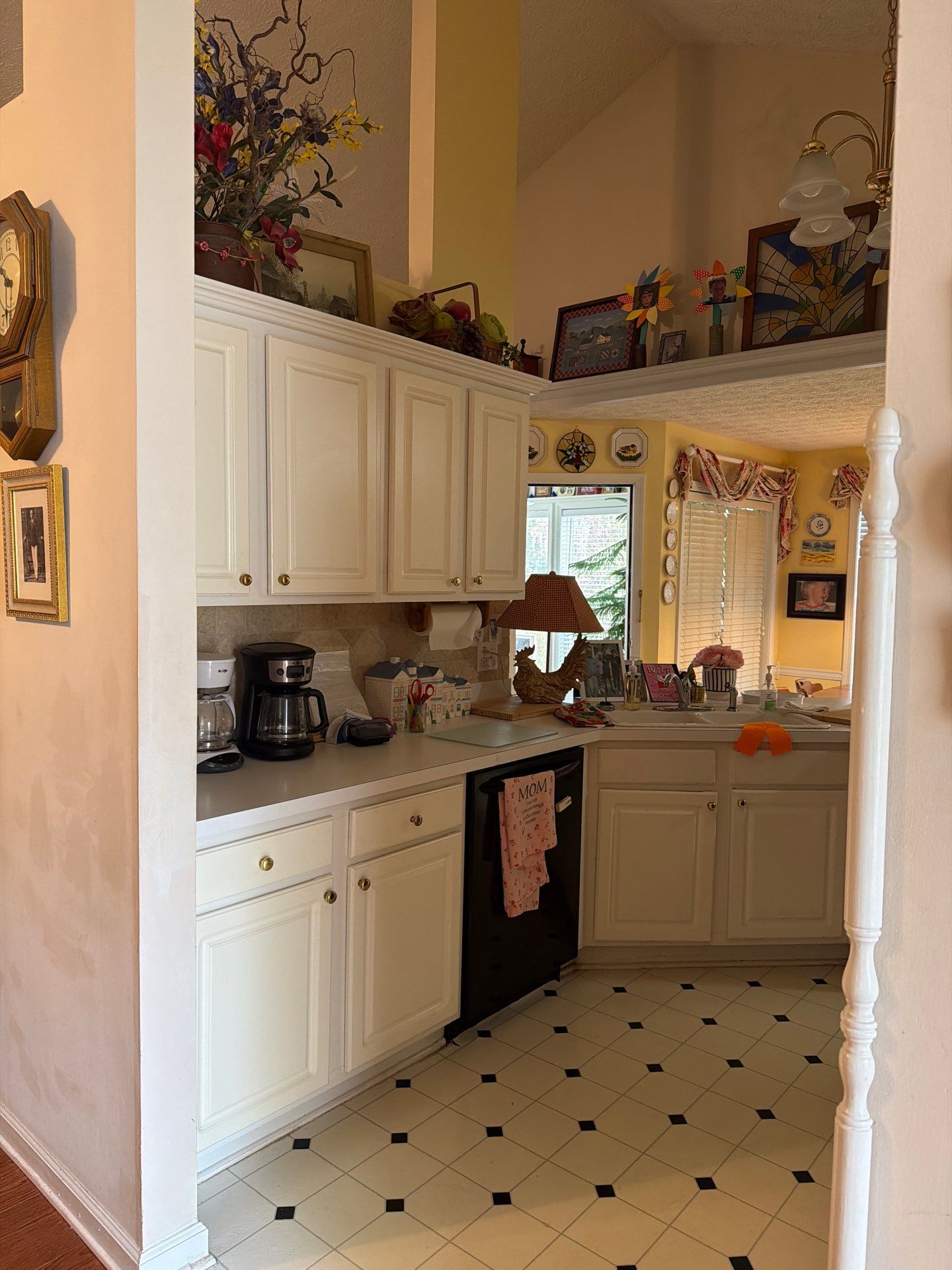
Darkness is second. Georgia homes with mature tree canopy and small original windows read as gloomy even at midday. Yellowed bulbs, mismatched color temperatures, and dated ceiling fixtures compound it. Light is the cheapest mood intervention available — matched daylight bulbs in every socket costs almost nothing and changes how an entire house feels.
Temperature is third and it's the one sellers forget. A house sitting at 80 degrees in August feels like a house with an HVAC problem, regardless of the truth. It also makes people rush, and rushed buyers don't linger long enough to fall for a house.
Clutter is fourth, and it isn't about tidiness. Clutter makes rooms measure smaller in a buyer's memory than they actually are. They walk out believing the primary bedroom was cramped when it wasn't.
What Lifts a Mood
Order, light, and neutrality — in that order. A buyer in a bright, quiet, uncluttered room can picture themselves living there, and that picture is what they're actually buying. Every dated finish, every personal object, every sign of deferred maintenance is a small interruption to that picture.
The best-presented homes aren't the most beautiful ones. They're the ones with the fewest interruptions.
Mood and Price Are the Same Conversation
Here's why this is a financial article and not a decorating one. A buyer who feels good about a house writes an offer near asking with clean terms. A buyer who feels uncertain writes lower, asks for more, and negotiates harder at inspection. The same house, in the same market, on the same week.
The gap between those two buyers is not the roof or the square footage. It's how the house made them feel in the first four minutes.
Engineering the Feeling
That's what a RenoMaxIT scope is really designed to do — remove every interruption between a buyer and the picture of themselves living there. Paint, light, flooring, curb appeal, and the small repairs that create doubt. Funded upfront by us, collected at closing.
Call 770.830.4330 for a free property review, or visit renomaxit.com.
 Zero upfront cost to the seller
- Pay at closing from proceeds
- Fully managed crew
- 75+ projects completed
- Atlanta · Coastal GA · Dothan AL
Find Out What Your
Home Could Sell For
Free property review. No commitment. Zero upfront cost — ever.