

What Actually Sells a House — and What Buyers Won't Pay For
Some improvements move the sale price. Others cost money and return nothing. Here's the honest split for Atlanta sellers — what matters, and what doesn't.
Sellers are told to "fix up the house" before listing. Nobody tells them which parts of the house actually move the number and which parts are money they'll never see again. After hundreds of pre-sale renovations across the Atlanta Metro, the pattern is consistent enough to write down.
What Sells: Condition You Can See in a Photograph
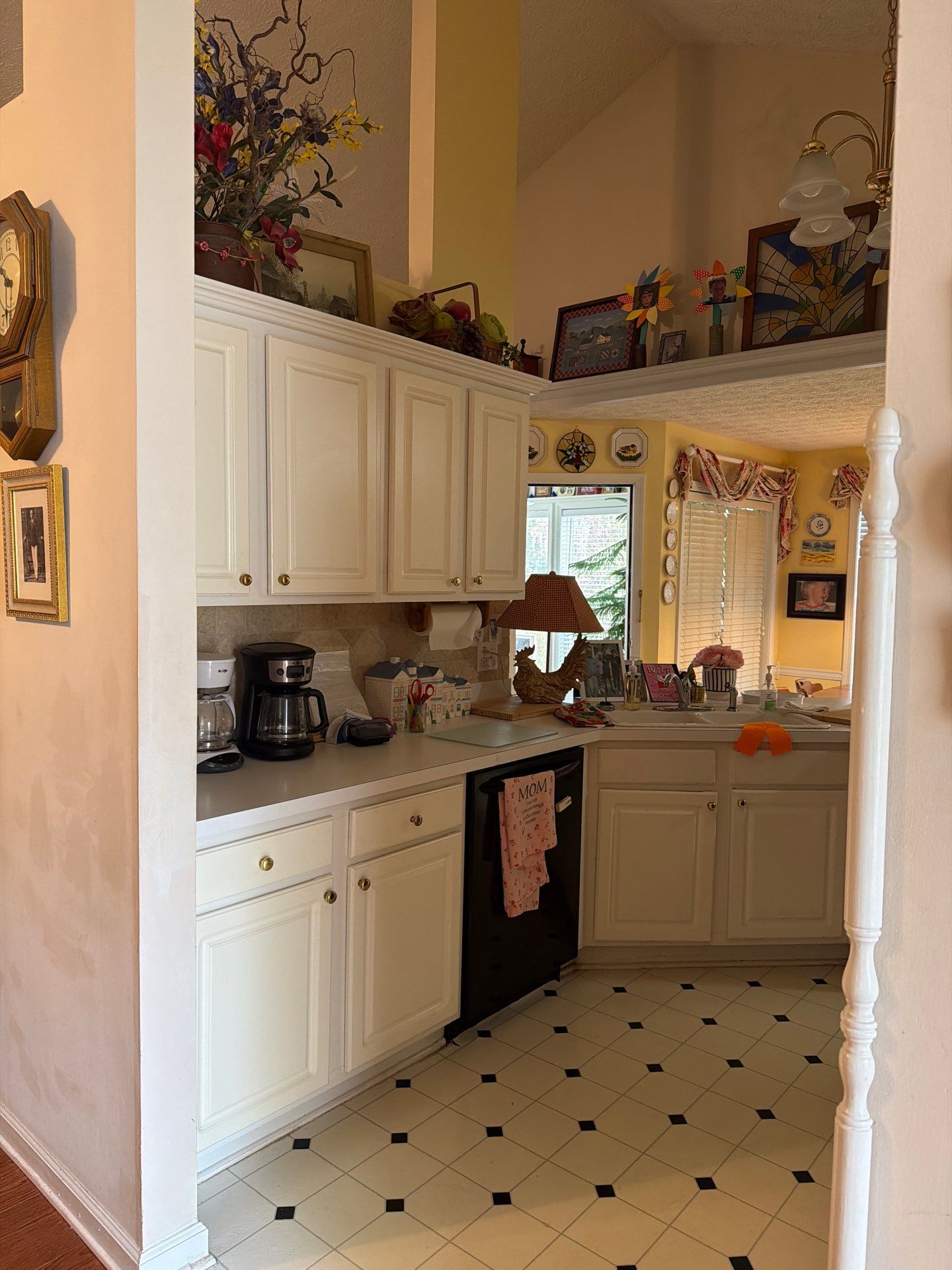
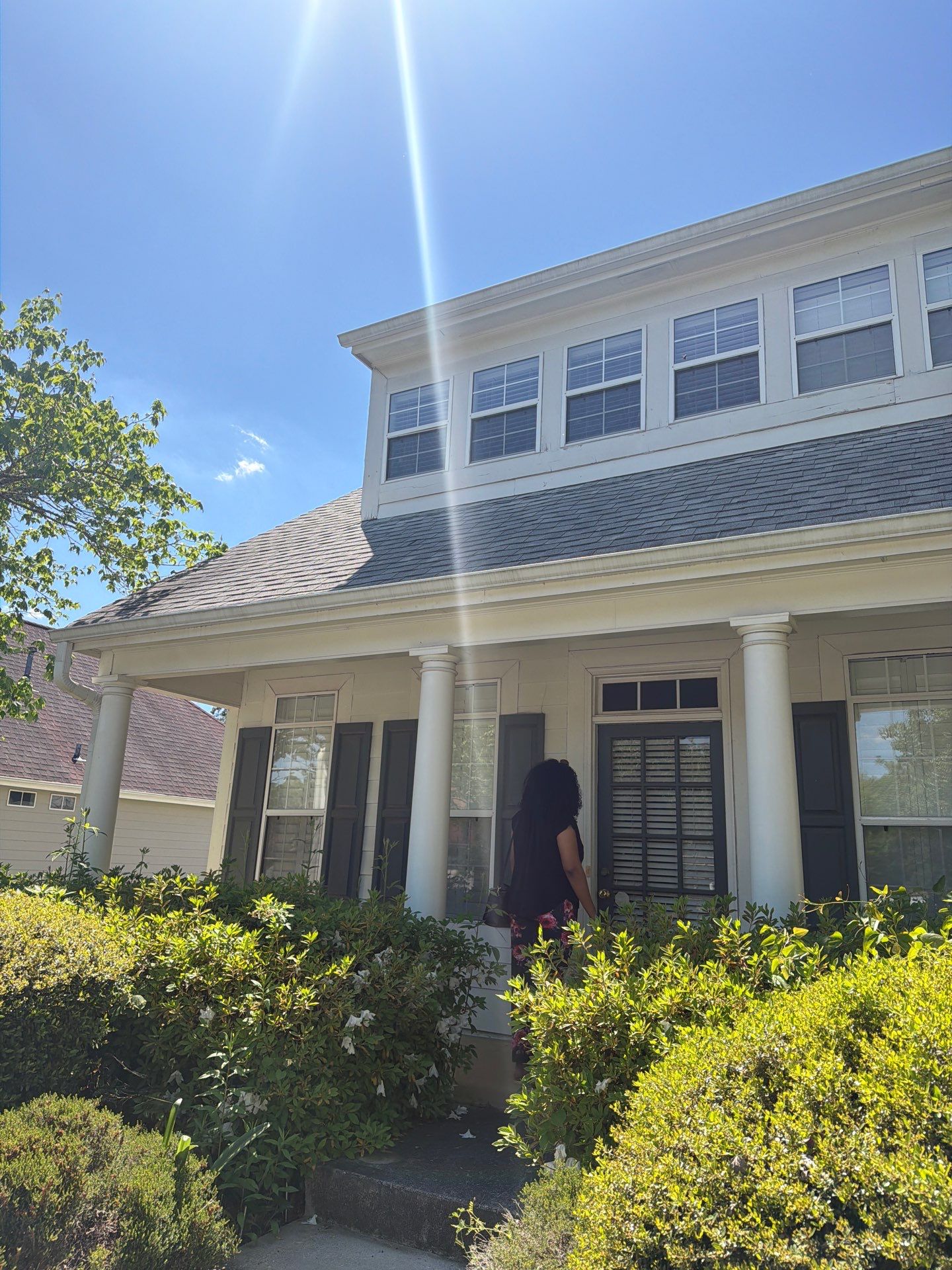
Almost everything that moves a sale price is visible in the first eight listing photos. Fresh neutral paint. Clean, current flooring. A kitchen that reads updated at a glance. Bathrooms without dated tile or a stained vanity. Light fixtures from this decade. A front elevation that looks cared for.
These are the things that get a buyer to click, then to schedule, then to walk in already leaning toward yes. Everything else in the transaction is downstream of that.
What Sells: The Absence of Doubt
The second category is less obvious. Buyers do not price repairs — they price uncertainty. A water stain on a ceiling from a leak fixed six years ago still costs you, because the buyer cannot tell the difference between a solved problem and an active one. Same with a soft spot in a subfloor, a sticking window, or a breaker panel with a brand nobody wants to see.
Removing doubt is cheaper than buyers' imaginations. A $400 ceiling repair prevents a $5,000 negotiation.
What Doesn't Sell: Anything the Buyer Would Have Chosen Differently
Here is where sellers lose money. Bold paint colors. Distinctive tile. A custom built-in that fits your life and nobody else's. Landscaping features that read as maintenance. Every one of these is a personal choice, and a buyer paying their own money will not reimburse someone else's taste.
The rule: renovate toward neutral, not toward personality. Personality is what you do after you own it.
What Doesn't Sell: Upgrades the Neighborhood Won't Support
A high-end kitchen in a mid-priced neighborhood does not produce a high-end sale price. It produces the neighborhood's ceiling price and a large unrecovered bill. Appraisers and buyers both anchor to comparable sales within a short radius. You cannot renovate your way past your comps.
What Doesn't Sell: Systems Buyers Can't See
This one is uncomfortable, because it feels irresponsible. A new HVAC, a new roof, or new ductwork rarely returns its full cost in sale price. They are defensive purchases — they prevent a price reduction or a failed inspection, but they do not add a premium. If a system is failing, replace it to protect the deal. If it has life left, disclose it and let the price reflect reality. Don't buy a new roof expecting a return that isn't there.
The Order That Actually Works
Curb appeal first, because it decides whether anyone shows up. Then paint and flooring, because they cover the most square footage per dollar. Then kitchen and bath cosmetics. Then, and only then, anything structural or mechanical that the inspection will force.
Most Atlanta homes never need to go past step three.
The Part Most Sellers Get Stuck On
Knowing the right list is not the same as being able to pay for it before closing. That's the whole reason RenoMaxIT exists. We fund the work, scope it to what your specific market will actually pay for, manage every contractor, and collect at closing. Nothing out of pocket, and nothing spent on improvements your buyers won't reimburse.
Call 770.830.4330 for a free property review, or visit renomaxit.com.
 Zero upfront cost to the seller
- Pay at closing from proceeds
- Fully managed crew
- 75+ projects completed
- Atlanta · Coastal GA · Dothan AL
Find Out What Your
Home Could Sell For
Free property review. No commitment. Zero upfront cost — ever.